
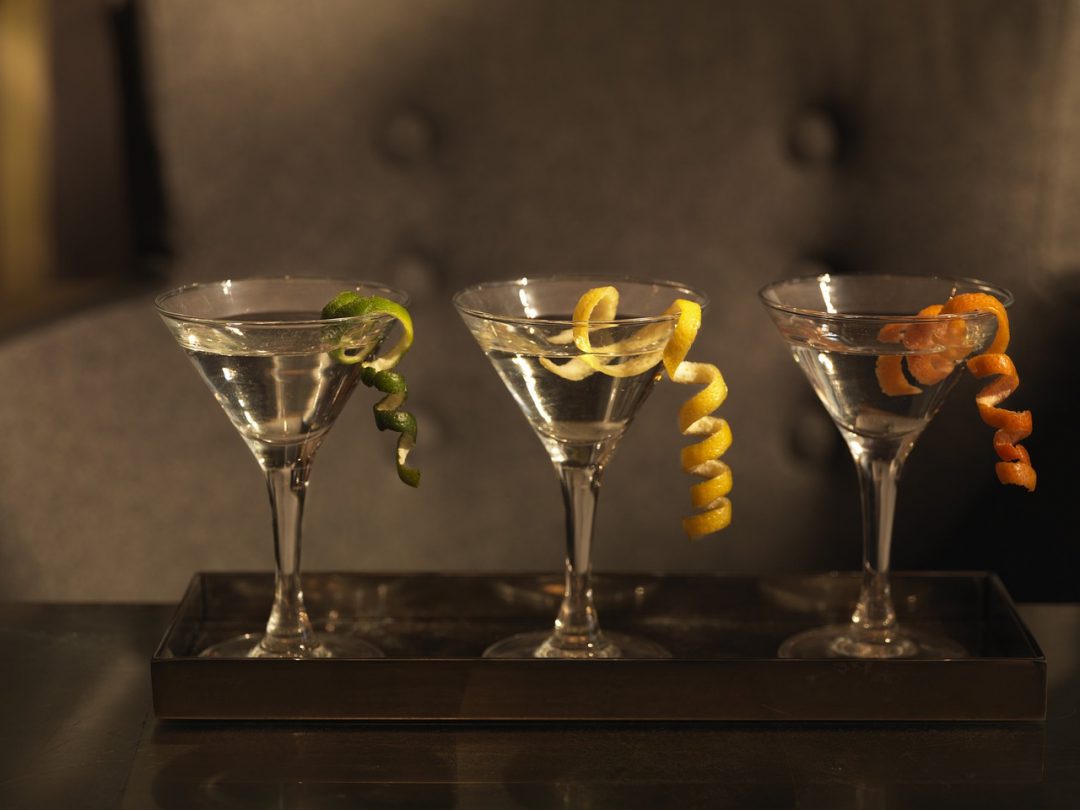
Why shaken not stirred still captivates drinkers
The history of the martini is layered with myth, memory, and spirited debate, which is why shaken not stirred still captures attention. More than a catchy line, it is a practical question about technique that changes the drink in the glass. From smoky lounges to high-stakes casino scenes, the martini carries symbolism that blends elegance, danger, and precision, and the words shaken not stirred have become shorthand for personal style.
Here is a clear guide to what the phrase means, how technique affects flavor and texture, and how to order with confidence.
Origins and early martini recipes
The origin of the martini is not certain. One popular story places an early version in California during the gold rush, where a celebratory mix at the Occidental Hotel may have evolved into something like today’s drink. Another story sets the scene in New York, where gin and vermouth appeared together with an olive garnish. Whatever the birthplace, early recipes included gin, vermouth, bitters, and a lemon twist. As the martini moved through the twentieth century, vodka arrived on the scene, vermouth levels shifted, and the dry style dominated boardrooms and bar carts alike. All along, the choice between shaken not stirred and stirred only stood as a matter of technique and taste.
Shaken not stirred or stirred, what actually changes
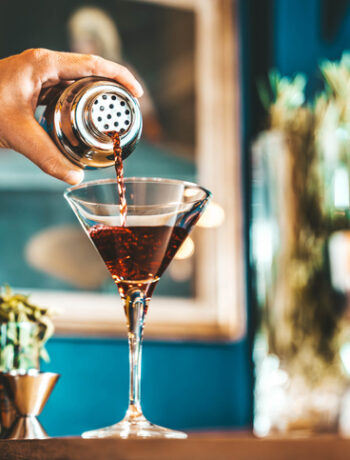
Shaking introduces more energy. Cold metal tins, vigorous motion, and hard ice combine to drop temperature fast and increase dilution. Shaking also adds tiny air bubbles that create a lighter texture and a faint haze. Stirring is slower and more measured. A bar spoon glides around solid ice to chill and dilute with precision, leaving the drink glass clear and silk smooth. When you consider shaken not stirred, remember that shaking adds speed, aeration, and more dilution, while stirring preserves clarity and a dense, silky mouthfeel.
- Temperature: Shaking often yields a colder drink in less time.
- Dilution: Shaking produces more water content. Stirring gives you finer control.
- Texture: Shaking traps microbubbles for a lively feel. Stirring keeps the texture sleek.
- Clarity: Shaking clouds the drink briefly. Stirring keeps it crystal clear.
When to shake and when to stir
A simple rule helps you decide. If a drink contains citrus, egg white, cream, or fruit, shake it to integrate ingredients and build texture. If a drink contains only spirits and fortified wines, stir it to highlight clarity and aroma. That is the heart of the shaken not stirred question, and it keeps your results consistent.
Gin or vodka, and what vermouth does
The classic martini is a union of gin and dry vermouth, brightened by a lemon twist or softened by an olive. Vodka creates a cleaner canvas and lets the vermouth and garnish speak more clearly. Fresh dry vermouth stored in the refrigerator matters more than brand bravado. It is the structural partner that sets the balance, whether you prefer shaken not stirred or strictly stirred.
Three famous martinis from film
Cinema gave the martini mythic status and helped spread the phrase shaken not stirred around the world.
The Vesper Martini, Casino Royale
Three measures of gin, one measure of vodka, one-half measure Lillet Blanc, and lemon peel. Shake with ice and strain into a chilled glass. Named for Vesper Lynd, the drink ties technique to narrative and nudged many drinkers back toward gin-forward builds. For official classic specs and service standards, the International Bartenders Association offers a helpful reference you can browse.
The Dirty Martini, The Thin Man
Two and one-half ounces of gin or vodka, one-half ounce dry vermouth, one-half ounce olive brine, olive garnish. Shake or stir to taste and strain into a chilled glass. This variation made personalization acceptable and showed how brine can add savory depth.
The Gibson, North by Northwest
Two and one-half ounces of gin, one-half ounce dry vermouth, and a cocktail onion. Stir with ice and strain into a chilled glass. A simple garnish swap creates a distinctive identity that hints at quiet confidence.
Ordering and mixing with confidence
If you want the texture and brightness that shaking provides, simply say shaken not stirred when you order. If you want a sleek, crystal clear sip, ask for it stirred and request a cold glass. At home, use fresh ice, measure carefully, and time your stir or shake. Ten to fifteen seconds of firm stirring with cold, hard ice usually brings a well-made martini into range. If you prefer the cooler liveliness of shaking, shake briskly for about ten seconds, then strain immediately and serve.
Summary of best practices
- Keep vermouth cold and fresh in the refrigerator.
- Express citrus oils over the surface, then garnish.
- Use clear hard ice for better chill and controlled dilution.
- Decide on shaken not stirred based on ingredients and desired texture, not on habit.
- Taste, adjust, and write simple notes so you can repeat your best version.
Last Call
The martini remains iconic because it rewards care and reveals personality in small choices. The phrase shaken not stirred endures because it touches both cinema and craft. Now that you understand how technique changes temperature, dilution, texture, and clarity, you can choose your own path. Order with confidence, mix with intention, and enjoy the version that matches the moment.

No Comments